
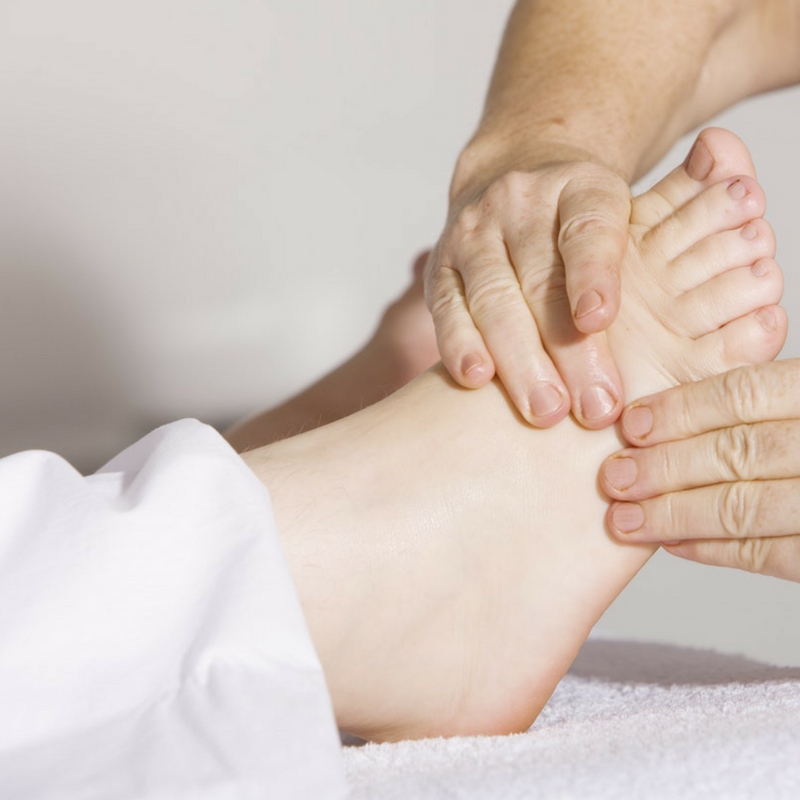

HMSN, also known as Hereditary motor and sensory neuropathies, is a neurological muscle disease that can cause a variety of symptoms. It is a genetic disease caused by abnormalities in chromosome 17 and chromosome 1. There is currently no good treatment that can cure this disease, which is why hypnosis can play a role as a treatment support
What is HMSN?
HMSN is a progressive neurological muscle disease that can cause the following symptoms as the muscles no longer function normally:
Fatigue
- Pain
- Balance Disorders
- Numbness
- No reflex
- Impaired hearing
- Reduced vision
- Scoliosis
- Distorted Feet
- Hammer toes
Especially in the arms and legs, patients may suffer from numbness. This is because some nerve cells deteriorate in their functioning. The numbness also causes the muscles to function less well, eventually making them too weak to really do anything with.
1 in 10,000 people may suffer from some form of HMSN. Men suffer from this disease more often than women and more severely. Usually HMSN begins before the age of 10, but some symptoms do not appear until adult life because they develop very slowly, though they do last a lifetime.
Different types of HMSN
In fact, there are as many as 7 different types of HMSN.
Type 1: Patients feel weakness in the legs during adolescence and later develop weakness in the hands.
Type 2: Is the same as type 1, but really starts just after adolescence/the college years.
Type 3: Patients already suffer during childhood causing motor impairment, symptoms are worse than Type 1 or 2.
Type 4: Same symptoms as the other forms, but the heredity is passed down through both parents.
Type 5: Patients suffer between the ages of5 and 12. The lower legs first experience muscle weakness which is followed by the upper legs. People with this type of HMSN also often suffer from vision and hearing problems.
Type 6: Early onset of muscle weakness and often reduced vision which can result in blindness.
Type 7: Subsequent onset of muscle weakness in the lower legs. The lower body is especially affected.
Treatment for HMSN
There is currently no cure for HMSN. However, the majority of patients can walk around and live independently.
The main focus of treatment now is to reduce symptoms. This is done, for example, through stretching, physical therapy, light exercise, walking with crutches and sometimes foot surgery.
How hypnosis helps
Facing an incurable disease is something that can also cause many psychological symptoms. Hypnosis is also used for diseases such as diabetes, ALS and when a person is already terminal.
HMSN is fortunately not life-threatening, but even then, the prospect of having to deal with the symptoms all your life can make you unhappy.
Hypnosis Against Initial Symptoms
Pain and fatigue are symptoms directly caused by HMSN. Hypnosis can help against both symptoms.
In particular, relaxation techniques and visualizations are used to reduce pain.
When it comes to relaxation techniques, the first thing that comes to mind is breathing exercises. By breathing calmly through your nose, you can already do an awful lot to relax. Fleeting breathing through the chest is often the sign of a tense body. By precisely controlling your breathing and breathing through the abdomen, you force your body to relax, so to speak.
In addition, you can also perform a mindfulness body scan. This scan relaxes all the muscles in your body.
In addition to relaxing, visualization is very important during hypnosis against pain. There are two types of visualizations that can reduce pain. You have a kind of distracting visualization in which you visualize a pleasant place in which you can relax well. The purpose of this is to keep you from thinking about the pain.
A guided visualization can then go as follows:
"You're in your favorite place in nature. You hear the sounds of nature that you enjoy and lie down in a nice spot. There you relax your muscles and feel how the sun keeps your body warm in a nice way. You feel how the warmth of the sun gives extra care to the places on your body with pain and takes away the pain little by little. You smell nature and the scents you love the most and close your eyes. There you rest enjoying the tranquility and peace."
This is just an example of a visualization. Depending on your symptoms and interests, a hypnotherapist can give you a more detailed visualization to suit your needs.
The other visualization is the visualization of a button that allows you to turn the pain louder and especially softer. These visualizations need practice to do their job properly. Therefore, it is important to do this first with a guided visualization with a hypnotist and only then to perform these exercises during self-hypnosis.
Hypnosis against secondary symptoms
With the loss of balance and all the other symptoms, you may also suffer from secondary symptoms. For example, the fear of rejection because sometimes it seems like you've been drinking when you haven't at all.
In the process, you may begin to feel worthless because performing some tasks is no longer as easy as before.
Against these types of symptoms, hypnosis can also do a great deal.
Fears and insecurities come from beliefs you have about how the world works. Hypnosis helps you bring these subconscious beliefs to the surface, and in the event they don't help you change them. There are several techniques available for this, including post-hypnotic suggestions, hypnotic suggestions, regression and more.
Post-hypnotic suggestion
A post-hypnotic suggestion is a type of command you can be given to perform at a time when a secondary symptom, such as social anxiety, is rearing its head. You're out in public and are once again rambling, causing you to suffer from feelings and thoughts such as "What will people think of me now. I look like crap." The assignment might then be to think of a particular word or color, for example, that causes you to calm down which also reduces the negative thoughts.
Hypnotic suggestions
Hypnotic suggestions you use precisely to make beliefs that help you stronger. You are given these suggestions to take home to repeat aloud during self-hypnosis or listen to via an mp3.
Before you begin self-hypnosis, you do a relaxation exercise, such as breathing through the abdomen and relaxing your muscles. You do this in a comfortable place with clothes that are comfortable and not pinching so there are few stimuli to distract you. When you are well relaxed close your eyes and repeat the suggestions, such as:
"People who don't accept my don't know what they are missing."
"Friends accept me as I am."
"I am valuable even when I am different."
"I get to take my rest."
"I don't have to do anything and can do anything."
"I am good the way I am."
"I'm not the only one."
These are just examples of hypnotic suggestions. Depending on your beliefs and secondary problems due to HMSN, a hypnotherapist may give you other suggestions.
Regression
Not sure why you think the way you do and an initial conversation with your hypnotist doesn't get you to the beliefs you have? Then regression can help you go back to the moment in your life when you acquired a belief.
In fact, many beliefs are formed in childhood. Especially the child's brain cannot always make logical connections yet, which can sometimes give you strange beliefs and fears that get in your way, especially as an adult.
Regression allows you to look at that moment with the knowledge of now. This allows an unhealthy belief to give way incredibly quickly to one that actually makes you happier.
In addition to all these techniques, there are many others that a hypnotherapist can use to help you suffer less from the symptoms of HMSN.
Want to learn more about how hypnosis works and what it can do for you or other people? Then come to a playshop or check out our calendar and sign up for an event.
Sources:
https://en.wikipedia.org/wiki/Hereditary_motor_and_sensory_neuropathy
https://www.mayoclinic.org/autosomal-recessive-inheritance-pattern/img-20007457
http://www.aanem.org/Patients/Disorders/Hereditary-Motor-Sensory-Neuropathy