
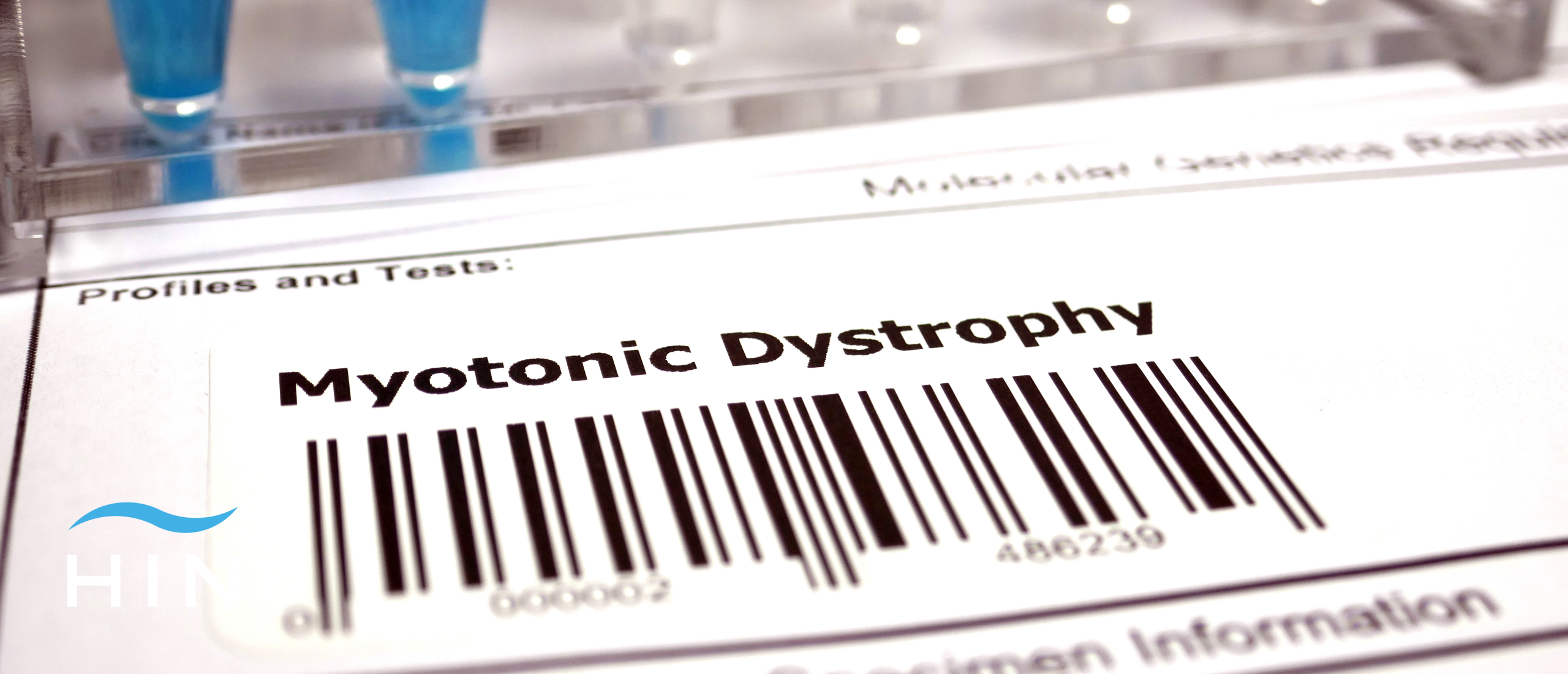

Myotonic dystrophy is a chronic condition that affects multiple parts of your body. It is also known as a multi systemic and neurological disorder.
This condition is chronic, progressive and is best known for having weaker muscles and even dying muscle tissue. This also causes heart problems. People can also have problems with their nervous system, causing difficulty thinking and increased fatigue. In addition, people with this condition are more susceptible to developing cancer.
Type 1 and 2
There are two types of myotonic dystrophy. In type 1, you experience the symptoms of this condition early in life. People with type 1 experience the condition before age 7 and people with type 2 experience the condition around age 14 or later. Type 2 is also milder than type 1[1].
Especially if you have type 2 of this condition, it can take a long time (more than five years) to get the right diagnosis. Then when you are diagnosed, the lack of information about this disease and the emotional impact of getting the condition is something that people struggle with.
For example, there are few patient groups where people can talk to other people who have experience with the condition.
People with version 1 are more likely to experience hiccups, daytime sleepiness, difficulty swallowing and droopy eyelids. People with version 2 are more likely to suffer from diabetes.
Regardless of which version you have, this disorder can have a major impact on your life. An American study of 1180 people with this condition found that half felt too sick to work. These were mostly those with type 1. Of the other half, half work part-time and another half work full-time. So only a quarter of people with this condition are able to work full-time. This is mainly due to fatigue symptoms, daytime sleepiness and weak muscles.
Daily activities such as lifting things, climbing stairs and simply standing are very difficult when you have myotonic dystrophy.
Because of this, it is also fairly common to have a family caregiver if you suffer the condition. These then support mainly with emotional support, housekeeping, accompaniment to medical appointments and financial support[2]. '
The cause of this disorder is genetic through the mother. You can find out if someone suffers from type 1 at birth with a test on the DNA (source 1). The change in DNA increases in each subsequent generation. This often has emotional consequences for the mother, as it also affects the impact of the disease on the child and any grandchildren.
Medication for myotonic dystrophy
There is no treatment for myotonic dystrophy other than keeping an eye on symptoms so people can be prepared about the next symptom people may suffer from.
There are, however, promising studies for medication that target the RNA to influence genetic factors in this way[3].
However, there are medications for each complaint that can be influential in reducing symptoms. For example, there are medications for muscle weakness. There is medication that does something to the way the body handles insulin in people with type 1. Creatine to maintain muscle strength.
Strength training is also recommended to combat muscle weakness.
Medication for muscle relaxation can be used when you are actually suffering from muscle stiffness.
Pacemakers can be used if the condition causes you to suffer from cardiac arrhythmias.
If you suffer from sleep apnea, which can cause daytime sleepiness again, a device can be used to help you blow air into your lungs at night. This keeps your airways open properly and you wake up rested (source 1).
Mental Support
Mental support may be needed for those with myotonic dystrophy as well as the mother. Because the mother's genes can cause people to suffer from this disease, mothers often have to deal with guilt, and this is something that should also be addressed.
In general, people with myotonic dystrophy have normal mental health, but just under 1/3 of people with this condition are at risk of developing mental problems.
The more severe the symptoms, the greater the risk of anxiety, having low self-esteem and difficulty thinking[4].
There are not many studies yet on how mental health professionals can help people with this condition.
On physical problems, hypnosis cannot do much. In any case, there are no scientific studies that show this, but for mental problems, hypnosis can certainly help.
Hypnotherapy, for example, is already commonly used to help people increase self-confidence and reduce anxiety. This is because hypnosis helps people deal with problems in a different way.
Also, for mothers who suffer from guilt, hypnosis can help change the way they view the problem so that they can move on without guilt and actually enjoy time with their children more.
How can hypnotherapy help?
As a professional, you can apply certain techniques from hypnotherapy to help people with this condition. For example, you can use hypnosis to shift people's focus from everything that is not going well in life and everything that is affected by the disorder to things that are going well in life. The things that are going well despite the disorder.
For example, a gratitude exercise can already do a lot to reduce depressive symptoms. This is also a way to reframe certain problems or issues in life, allowing one to look at them more positively.
Reframing problems is also a way to be less anxious about the future when suffering from the progressive problems.
In addition, focusing on what can be done can also be good for the client's self-confidence.
Also, many beliefs, about how the world works and how a person should function in it, often determine whether people experience stress or other problems from illness. When these beliefs are limiting, because they cause anxiety, for example, it is important to address them.
With techniques such as regression , for example, this is possible. With regression, you can help clients go back in their minds to the first moment when a particular belief arose. Or to the first moment when they felt a certain bad feeling. These are often moments in childhood, because that is the period in life when you determine how life works and how you are supposed to be then.
Then you can help the client fix this moment. This is actually an update of sorts. In fact, many beliefs formed in childhood linger in the subconscious without those beliefs getting an "update." While their conscious knowledge does get better and better.
With regression, you can give beliefs an "update" in the subconscious, such as that it is okay if you are not functioning at 100% and that despite that you are still a valuable human being deserving of love.
This is then called the repair. You help the client with this by using the imagination. For example, you can stimulate the imagination to empathize with other people in the memory or you can have the person enter into the conversation with the inner child in their mind.
The technique of regression is taught as early as the first year of Hypnosis Institute Netherlands. The inner child technique is a more advanced technique.
In any case, knowledge of hypnosis can be useful in helping people with myotonic dystrophy find a place in their lives so they can enjoy themselves despite the condition.
Hypnosis for Mothers
Because this condition is passed down through the genes from the maternal side, mothers and even grandmothers can suffer from guilt, which is very unfortunate. After all, in many cases you don't know that you are carrying the disease and in addition, this disease is not known at all and no one is actually tested for it.
Instead, you can help mothers focus on the life they have given someone and that people can have a beautiful experience despite the disease.
Want to know exactly how to use hypnosis to help other people? Then come to the free online master class.
Or sign up directly for one of our seminars or trainings where you can get right to work using techniques to make other people feel better.
Sources:
The myotonic dystrophies: diagnosis and management
Journal of Neurology, Neurosurgery & Psychiatry 2010;81:358-367.