

We already knew that meditating and being mindful has all kinds of healthy benefits, but we now know that it even affects the biological functioning of your body! This is so extraordinary. Normally you need something that you have to swallow to improve your body's biological functioning, such as minerals and vitamins.
How mindfulness and meditation affect inflammation and other health benefits I am going to explain in this article.
Mindfulness and meditation affect your molecules
If you look at what a human being is made of you can say at the smallest level that we are made of molecules. This is something even smaller than your cell nucleus, they are parts of your nucleus.
British researchers tallied up all kinds of studies on mind-body interventions from 11 years and examined what the similarities are in what happens each time.
This research shows that mindfulness, meditation, yoga, tai chi and QiGong, reverse the effects of stress on the body.
These mind-body interventions cause the genes responsible for multiplying inflammation in the body through a response to stress to be less affected by this and therefore also produce fewer substances that cause those higher inflammation levels in your body.
This is because these mindfulness techniques affect how your molecules work together. That cooperation ultimately determines what happens in your body, and influencing meditation and other mindfulness techniques reverses the effects of prolonged stress.
Chronic stress is associated with faster-than-average aging and premature death. To still increase your chances of reaching normal or even old age, using meditation and other mind-body techniques is definitely recommended.
Influence of mind-body exercises on nerves
Why ultimately the molecules in your cells are affected by mindfulness, yoga and other mind-body exercises is because these exercises directly affect your nervous system. Because it calms your nerves, you also suffer less stress.
Since the financial crisis, people around the world have been suffering more and more from stress. This is because we have all brutally found out that nothing in life is really certain, and that can make you feel insecure.
That insecurity creates stress, and that stress in turn gets on your nerves. Because you feel insecure and unsafe you get that fight, flight or freeze response and you often feel it throughout your body. Through tension in your arms, legs or even nausea.
There are several mindfulness techniques that help you immediately calm down in a moment of panic, but also smaller stress reactions that are not even immediately felt can be lowered daily through other techniques such as meditation and yoga.
You then only need to incorporate a meditation ritual into your daily life.
So nerves affect all kinds of processes in your body. That tension is also generated by activities that are also ultimately influenced by the molecules that respond to the molecular activity of the nerves. This means that if you can influence your nerves you also influence the molecular reactions in your cells.
How do mind-body exercises reduce stress?
Now, of course, you want to know how these mindfulness, meditation, yoga, tai chi and QiGong exercises ensure that stress is reduced.
To do this, you must first know what causes stress. Stress is generally a reaction to danger, such as when someone points a gun at you to rob you. It is quite normal to have a gigantic stress reaction to that.
But in general, we are nowhere near that kind of danger. Yet we can imagine that we are. Thoughts about something that could happen are often thoughts that cause us stress.
The mind-body exercises actually ensure that our thoughts stay in the here and now, that is, that we are mentally engaged in what is happening and not in what may happen.
In the process, these exercises also encourage contact with your body, so that you can notice small tensions, small reactions to stress, more quickly and do something about them more quickly.
In the following paragraphs, I explain how this goes by technique.
Mindfulness
Mindfulness is a technique based on the philosophy of Buddhism. In that philosophy, you become happy by letting go of your ego and what you want. By not wanting anything, you have less frustration that something doesn't work out and therefore you are happier.
In mindfulness, this comes down to being in the here and now with your thoughts. This means you are not thinking about that presentation tomorrow with thoughts of how well you want it to go or how badly it could go.
Instead, you're busy preparing that presentation properly.
Especially to combat stress for example if you have an illness, or need surgery, or even trying to recover from an addiction, special programs have been created that apply various mindfulness techniques so you can better manage stress, anxiety and unhealthy cravings.
If you suffer from stress thoughts, mindfulness uses breathing techniques and other stimuli from the senses to ground your thoughts back in the here and now. Through these techniques, you suffer less anxiety and also less stress.
Meditation
Meditating also helps against stress. Just meditating for 10 minutes daily can significantly reduce stress and stress hormones.
There are different forms of meditation, such as the most well-known form transcendental meditation. In this form of meditation, you sit, focus your gaze on 1 point and focus your attention on your breathing.
Focusing on breathing through the abdomen is most important in most forms of meditation. That focus on breathing should also cause your thoughts to calm down.
When you're just starting to meditate, it's very difficult to quiet thoughts. Sometimes it helps to write the thoughts down or just visualize them being blown past like a cloud.
Yoga
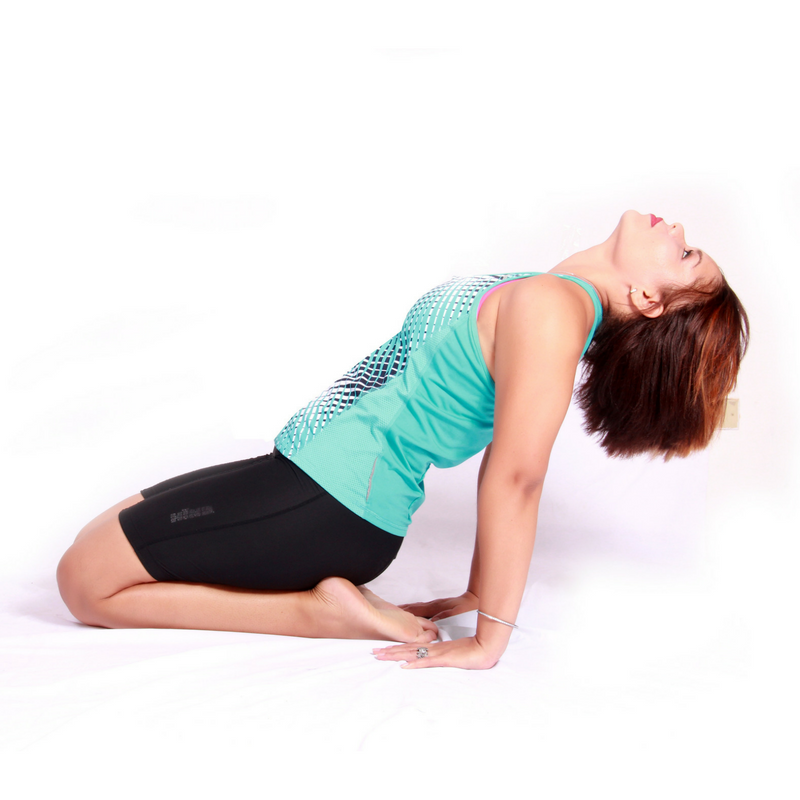
Yoga is a form of meditation that includes movement on breathing. Yoga also allows you to feel a good connection with your body. The poses and movements on the breath help reduce small tensions in your body and keep or make your muscles flexible and strong.
By reducing tension, you get less stress. Because the poses are sometimes tricky and because you use your breathing per pose transition, this ensures that your thoughts are with the yoga and not in the past or future, just as with meditation and mindfulness.
The movements also ensure that your muscles are stretched properly. This not only makes you more limber, but also relaxes your muscles properly. It is like giving yourself a massage. This has a very relaxing effect.
Tai Chi
Tai Chi is a Chinese martial art, but also a form of exercise if you're not so into fighting. In Tai Chi, you make twisting, stretching and balancing movements. This also makes you more aware of your body.
This awareness of your body can cause you to feel small tensions due to stress more quickly, allowing you to release that tension faster as well. At some point, you no longer wait for Tai Chi training to relax your shoulders, stop pressing your tongue against your palate and relax your jaws.
Consciously relaxing your body can also release pent-up emotions. Anger, for example, is an emotion you feel all the way down into your muscles. Relaxing those often makes you less angry, too, and you suffer less irritation from stress.
Qi gong
Qi gong is a Chinese movement form to keep the body and mind healthy. There are set patterns in which the body is moved. This pattern is repeated several times and then you move on to a new pattern.
In addition, in Qi gong, breathing is also important. In fact, there are also static exercises that focus on breathing, as is done in meditation.
In the movements, breathing also plays a big role, just like in yoga. Research also shows that Qi gong has a good effect on the heart rate and immune system.
All in all, these mind-body exercises have in common that breathing and a gentle form of movement causes tensions to leave your body. With yoga, meditation and mindfulness, it's also important that your attention is in the here and now, reducing the thoughts that stress you out.
All exercises have in common that you learn how your body feels and what effect tensions have on your nerves.
Want to learn more about mental techniques to suffer less from stress and other problems? Then come to a seminar or check out Hypnosis Institute Netherlands' training courses.
Sources:
https://www.psychologytoday.com/blog/the-athletes-way/201706/mind-body-practices-downregulate-inflammation-related-genes
http://www.beginnerstaichi.com/tai-chi-benefits-for-stress-management.html



